heptamethyltrisiloxane factory&supplier
Heptamethyltrisiloxane
Everything you need to know about our products and company
In the highly competitive landscape of industrial coatings, achieving superior performance while meeting stringent environmental standards has become a critical challenge for manufacturers. One compound that has demonstrated remarkable capabilities in addressing this challenge is heptamethyltrisiloxane, a specialized silicone derivative that offers transformative benefits for coating efficiency and functionality. This organosilicon compound, characterized by its unique molecular structure with active Si-H groups, has evolved from a specialty chemical to an indispensable additive in high-performance coatings across various sectors .
The global market for heptamethyltrisiloxane reflects its growing importance, with the market valued at approximately 78.1millionin2025andprojectedtoreach117.1 million by 2033, growing at a compound annual growth rate (CAGR) of 5.2% . This growth is particularly driven by the coatings industry, which accounts for approximately 25% of the total demand for this versatile compound .
Heptamethyltrisiloxane (chemical formula C₇H₂₂O₂Si₃) possesses a unique molecular architecture that enables its exceptional performance in coating applications. The compound features a trisiloxane backbone with seven methyl groups, creating a perfect balance between hydrophobic and hydrophilic properties when modified . This structural configuration contributes to several critical properties:
When incorporated into coating formulations, heptamethyltrisiloxane operates through multiple mechanisms to enhance performance. Its primary function lies in reducing surface tension at the coating-substrate interface, which allows for improved spreading and adhesion. The compound migrates to the surface during application, forming a temporary layer that facilitates uniform distribution while minimizing defects such as cratering and orange peel .
The modified versions, particularly polyether-modified heptamethyltrisiloxane, demonstrate amphiphilic characteristics—combining the hydrophobicity of siloxane with the hydrophilicity of polyether chains. This unique balance enables compatibility with both aqueous systems and various resin chemistries, making it particularly valuable for modern environmentally compliant coating systems .
The global coatings industry is experiencing a significant shift toward sustainable technologies, with heptamethyltrisiloxane playing an increasingly important role. According to market analyses, the coating industry represents approximately 25% of the total consumption of heptamethyltrisiloxane, with growth particularly strong in the Asia-Pacific region, which accounts for about 35% of global demand .
Regional regulatory frameworks significantly influence the adoption patterns of heptamethyltrisiloxane in coatings. In North America and Europe, stringent VOC regulations have driven manufacturers to incorporate this additive to meet compliance requirements while maintaining performance. A 2023 study by the American Coatings Association revealed that 34% of industrial coating manufacturers switched to silicone-modified products to comply with EPA regulations, directly boosting heptamethyltrisiloxane consumption .
The Asia-Pacific market, particularly China, has emerged as both a major consumer and producer of heptamethyltrisiloxane. Production capacity expansions in Jiangsu and Guangdong provinces increased regional output by 15,000 metric tons between 2020-2023 . This production growth supports the region’s booming construction, automotive, and industrial manufacturing sectors, which demand high-performance coating solutions.
In architectural coatings, heptamethyltrisiloxane significantly enhances the application characteristics and final film properties. Its ability to improve substrate wetting ensures uniform coverage on challenging substrates such as concrete, wood, and previously painted surfaces. This translates to reduced material consumption and improved aesthetic outcomes .
The compound’s exceptional leveling properties minimize brush and roller marks, creating smooth, professional finishes without increasing solvent content. This has become particularly valuable as regulations limit the use of traditional solvents in architectural coatings. Additionally, its compatibility with both water-based and solvent-based systems provides formulators with flexibility in developing products for various market segments .
The industrial coatings sector leverages heptamethyltrisiloxane’s capabilities to enhance the performance of products designed for harsh environments. In protective coatings for marine, chemical, and infrastructure applications, the compound improves water repellency and corrosion resistance by creating a more continuous protective barrier .
In automotive coatings, heptamethyltrisiloxane enhances both appearance and durability. It promotes uniform pigment distribution, resulting in improved gloss and color development. The additive’s thermal stability ensures consistent performance through the high-temperature curing processes typical in automotive coating applications .
Beyond traditional segments, heptamethyltrisiloxane finds growing application in specialty coatings. These include:
The electronics manufacturing sector utilizes heptamethyltrisiloxane as a component in coatings for sensitive components, with consumption increasing by 9.3% year-over-year in 2023 .
The most significant advantage of heptamethyltrisiloxane in coatings is its remarkable ability to reduce surface tension. With a capacity to lower surface tension to ≤22 mN/m (at 0.1% concentration in water), it enables coatings to spread completely and uniformly over difficult-to-wet substrates . This property is particularly valuable for covering porous surfaces or contaminated substrates where conventional surfactants may fail.
The dynamic wetting capability, evidenced by contact angles of less than 10°, allows for instantaneous spreading on even highly hydrophobic surfaces. This translates to more efficient coverage and reduced material consumption, providing both economic and environmental benefits .
Coating defects such as craters, fish eyes, and orange peel significantly impact both appearance and performance. Heptamethyltrisiloxane effectively minimizes these issues by promoting a more uniform surface energy distribution during the critical film formation stage. This results in smoother surfaces with improved aesthetic qualities and enhanced protective functionality .
The compound’s compatibility with various coating resins—including epoxies, polyurethanes, and acrylic systems—ensures broad applicability without adversely affecting cure kinetics or final film properties. This compatibility stems from its balanced solubility parameters, which allow integration into diverse formulation chemistries .
As the coatings industry faces increasing pressure to reduce volatile organic compound (VOC) content, heptamethyltrisiloxane offers a pathway to maintaining performance while complying with regulations. Its efficiency at low use levels (typically 0.1-0.5% of formulation weight) enables formulators to achieve desired surface effects without significantly increasing VOC content .
The growing trend toward eco-friendly production techniques has led to a 15% reduction in emissions and a 20% rise in product purity for manufacturers of heptamethyltrisiloxane and related compounds . This aligns with the coatings industry’s sustainability initiatives while addressing regulatory requirements.
The synthesis of high-quality heptamethyltrisiloxane requires precise control of reaction conditions and purification steps. The manufacturing typically involves hydrosilylation reactions catalyzed by platinum-based catalysts under controlled temperature (80-120°C) and inert atmosphere .
Advanced production facilities, such as those operated by leading manufacturers including Biyuan, implement rigorous quality control measures throughout the manufacturing process. These include sophisticated monitoring of key parameters such as purity (>99.0% by GC), refractive index (1.380-1.384 n20/D), and density (0.819-0.823 g/mL at 20°C) to ensure batch-to-batch consistency .
For coating applications, consistent quality is paramount to predictable performance. Reputable manufacturers adhere to international quality management systems and may hold relevant certifications for their target markets. The material’s quality specifications directly influence its compatibility and performance in coating formulations .
Biyuan’s implementation of enterprise standards with total impurities maintained below 1.00% demonstrates the level of quality control necessary for reliable performance in sensitive coating systems. This attention to quality ensures that the material delivers consistent interfacial activity and compatibility across production batches .
Recent years have seen significant technological advancements in heptamethyltrisiloxane production and application. Improved synthesis processes have increased product purity by 20% while reducing energy consumption by 15% . These enhancements translate to more consistent performance and improved sustainability profiles for coating formulations.
Ongoing research focuses on developing modified versions with enhanced characteristics, such as higher pH stability and tailored hydrophile-lipophile balance (HLB) values. By adjusting the EO/PO ratio and degree of polymerization in modified versions, manufacturers can create products specifically optimized for particular coating chemistries and application conditions .
The future of heptamethyltrisiloxane in coatings will be significantly influenced by sustainability considerations. Approximately 25% of companies face stricter government regulations and sustainability mandates that limit the use of certain chemicals, driving innovation in more environmentally compatible alternatives .
Leading suppliers are pioneering eco-friendly approaches to silicone chemistry. Through strategic molecular modifications, manufacturers like Biyuan are developing advanced derivatives that maintain performance benefits while addressing environmental concerns. These innovations align with global sustainability goals while meeting the technical requirements of modern coating systems .
In the competitive landscape of silicone intermediates, Biyan has established itself as a leader in heptamethyltrisiloxane manufacturing through continuous technological innovation and quality commitment. The company’s focus on research and development has positioned it at the forefront of creating tailored solutions for the coatings industry .
Biyan’s production expertise emphasizes environmentally responsible manufacturing processes without compromising performance characteristics. The company’s technical support capabilities help coating formulators optimize their products for specific applications, leveraging deep knowledge of compatibility characteristics and performance mechanisms .
As the coatings industry continues to evolve toward more sophisticated and sustainable solutions, partners with strong technical capabilities and quality focus will be increasingly valuable. Biyan’s commitment to advancing heptamethyltrisiloxane technology demonstrates how strategic supplier relationships can contribute to competitive advantage in the market .
Heptamethyltrisiloxane has established itself as a critical component in advanced coating formulations, offering unique benefits that address both performance requirements and regulatory challenges. Its ability to enhance surface wetting, improve film quality, and contribute to environmental compliance makes it invaluable across architectural, industrial, and specialty coating segments.
As market demands evolve toward more sustainable and high-performance solutions, the role of heptamethyltrisiloxane is expected to expand further. With ongoing technological advancements and increasing application knowledge, this versatile compound will continue to enable innovations in coating technology while meeting the evolving needs of formulators, applicators, and end-users across diverse market segments.
Our most popular products loved by customers worldwide
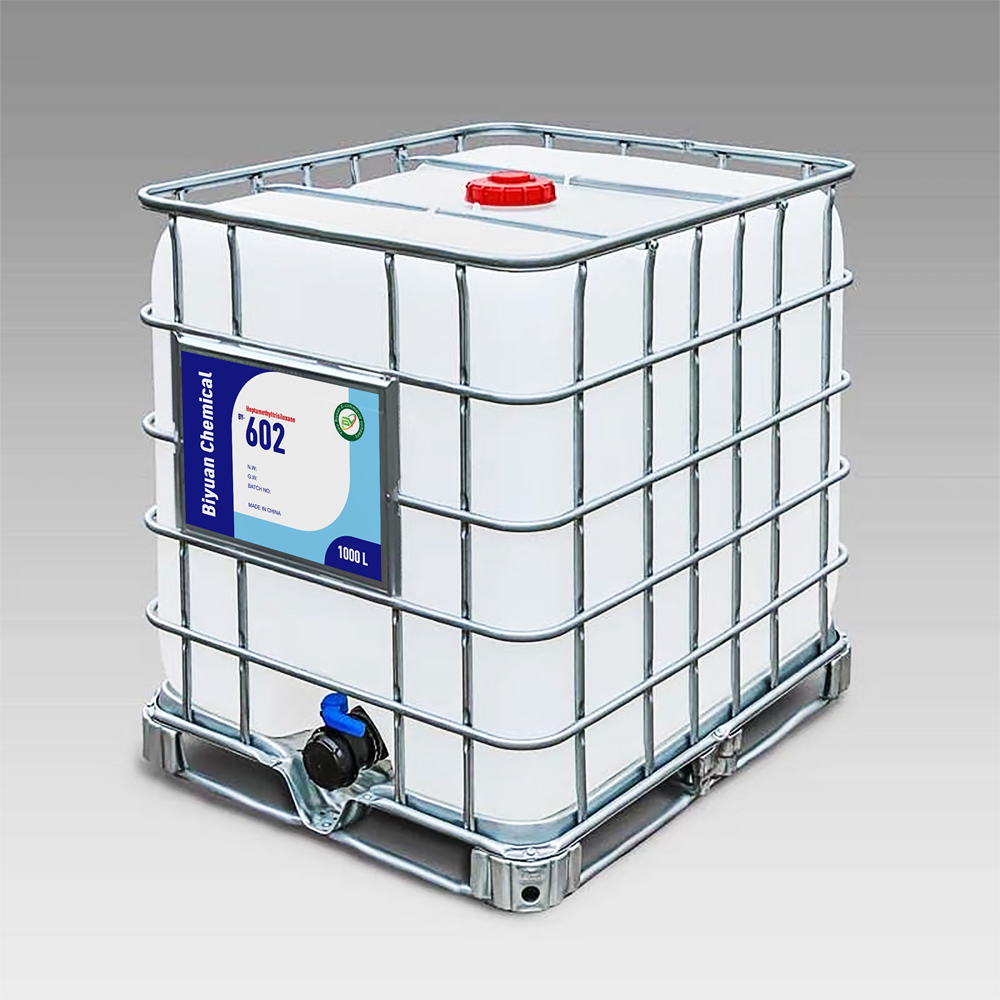
Heptamethyltrisiloxane is emerging as a transformative functional material in the pharmaceutical industry. This volatile silicone derivative combines low viscosity with high permeability, offering unique solutions for advanced drug delivery systems and medical device technologies. Certified USP Class VI and compliant with ISO 10993-5 standards, heptamet.
Heptamethyltrisiloxane is transforming the personal care industry through its unique volatile characteristics and exceptional spreading properties. This lightweight silicone fluid delivers instant sensory enhancement while providing functional benefits across various product categories. Heptamethyltrisiloxane meets rigorous safety standards including RE.
Heptamethyltrisiloxane is emerging as a powerful adjuvant in modern agriculture, leveraging its unique properties to enhance crop protection product performance. This organosilicone compound acts as a super-spreader, dramatically improving the efficacy of pesticides, herbicides, and fungicides through superior surface coverage and penetration. The mater.
Heptamethyltrisiloxane is gaining recognition as a versatile performance additive in various industrial sectors due to its unique combination of low viscosity, high volatility, and exceptional surface activity. This organosilicone compound serves as an efficient process aid and functional modifier across multiple applications. Heptamethyltrisiloxane off.