Everything you need to know about our products and company
Understanding Heptamethyltrisiloxane: Potential Risks for Skin Sensitivity and Safety Insights
Heptamethyltrisiloxane (CAS 2895-07-0/1873-88-7), a silicone-based compound widely used in cosmetics, personal care, and industrial applications, has sparked debates about its potential to cause skin irritation. While it offers benefits like emollience and ba.
Heptamethyltrisiloxane: A Versatile Performer in Specialty Silicone Applications
In the competitive landscape of specialty silicones, heptamethyltrisiloxane stands out for its unique chemical properties and broad industrial utility. As a key intermediate, its value is increasingly recognized across sectors from personal care to agrochemicals. For B2B.
How to Safely Manage Heptamethyltrisiloxane Waste: A Comprehensive Guide
Heptamethyltrisiloxane (CAS 5356-85-4), a volatile organosilicon compound widely used in adhesives, coatings, and silicone rubber production, poses unique challenges for safe disposal. Improper handling can lead to environmental contamination, regulatory penalties, and health risk.
Heptamethyltrisiloxane: Biodegradability Insights and Environmental Considerations
Heptamethyltrisiloxane (CAS 1873-88-7), a linear siloxane compound with seven methyl groups and three silicon atoms, is widely recognized for its industrial applications in coatings, agrochemicals, and personal care products. However, its environmental behavior—particula.
Heptamethyltrisiloxane: Unlocking Unique Applications Through Its Special Properties
Introduction to Heptamethyltrisiloxane
Heptamethyltrisiloxane, also known as Bis(trimethylsiloxy)methylsilane, stands out in the world of specialty chemicals for its remarkable versatility and unique molecular characteristics. With the CAS number 1873-88-7, this colo.
In today’s competitive formulation landscape, achieving optimal surface interaction, superior active delivery, and rapid process completion often requires components that deliver powerful, temporary effects. For developers in agrochemicals, coatings, personal care, and industrial applications, the integration of a highly efficient yet transient modif.
Chemical Reactivity and Industrial Applications of Heptamethyltrisiloxane
Heptamethyltrisiloxane (HMTS), a symmetrical trialkylsiloxane compound with the molecular formula C₇H₂₂O₂Si₃, has emerged as a versatile building block in modern chemistry. Its unique structure—featuring three silicon atoms bridged by oxygen atoms and terminated with seven methyl.
In the intricate science of surface engineering, the initial moments when a liquid formulation contacts a solid substrate determine the ultimate success of countless industrial and consumer products. For formulators across agrochemicals, coatings, personal care, and specialty chemicals, achieving instantaneous, uniform wetting on challenging surfaces—while.
Essential Labeling Requirements for Heptamethyltrisiloxane: A Comprehensive Guide
For chemical manufacturers, distributors, and industrial users, proper labeling of heptamethyltrisiloxane isn’t just good practice—it’s a legal requirement that ensures safety and compliance across the supply chain. This volatile silicone fluid (CAS 1873-88-7) .
In the aerospace industry, where extreme conditions, rigorous safety standards, and uncompromising performance requirements prevail, the selection of advanced materials is a critical determinant of success. Aerospace supporting material suppliers operate at the forefront of technological innovation, providing essential components and substances that enable.
Working with heptamethyltrisiloxane (CAS 1873-88-7) requires stringent safety protocols due to its flammability, chemical reactivity, and potential irritant properties. This guide outlines the critical protective equipment and practices to ensure workplace safety, while integrating industry-relevant keywords for professionals seeking reliable solutions.
.
Heptamethyltrisiloxane, a versatile organosilicon compound, has emerged as a cornerstone material in industries ranging from personal care to advanced electronics. Its unique molecular structure—featuring three silicon atoms interconnected by oxygen bridges and seven methyl groups—enables exceptional stability, low surface tension, and adaptability to func.
Assessing Environmental Risks: The Impact of Heptamethyltrisiloxane on Ecosystems
Heptamethyltrisiloxane (HMTrS), a volatile methylsiloxane (VMS) compound, has emerged as a focal point in environmental science due to its widespread industrial use and potential ecological consequences. As industries increasingly adopt silicone-based materials for their .
Heptamethyltrisiloxane (CAS 1873-88-7), a critical silicone-based compound, is widely used in pharmaceuticals, agrochemicals, and specialty coatings due to its unique chemical stability and surfactant properties. For businesses sourcing this material, understanding pricing dynamics is essential to optimize procurement strategies. Below, we break down the f.
In the dynamic landscape of electronics manufacturing, the demand for advanced thermal management solutions has surged, driven by the miniaturization, increased power density, and higher performance requirements of modern electronic devices. Electronic thermal conductivity materials play a critical role in dissipating heat efficiently, ensuring device reli.
Global Restrictions on Heptamethyltrisiloxane: What Industries Need to Know
Understanding Heptamethyltrisiloxane and Its Industrial Significance
Heptamethyltrisiloxane is a specific silicone compound with the molecular formula C31H62O3Si3 and a molecular weight of 567.07868 . This chemical belongs to the trisiloxane family and serves as a key ingredi.
Nanotechnology and Heptamethyltrisiloxane: Driving Innovation Across Industries
In the evolving landscape of nanotechnology, heptamethyltrisiloxanehas emerged as a critical building block for advanced material engineering. This unique organosilicon compound serves as a foundational element in creating sophisticated nanomaterials with tailored properties.
In the intricate science of advanced formulation technology, the initial moments of liquid-surface interaction determine ultimate product performance, application efficiency, and functional success. For developers in agrochemicals, coatings, personal care, and industrial processes, achieving instantaneous, uniform wetting on challenging substrates while ma.
Can Heptamethyltrisiloxane Replace Other Silicone Compounds?
In the evolving landscape of silicone-based chemicals, 1,1,1,3,5,5,5-Heptamethyltrisiloxane (HMTS) has emerged as a versatile performer with the potential to displace traditional silicone compounds across multiple industries. Its unique molecular structure featuring an active Si-H bond provi.
How Soluble is Heptamethyltrisiloxane in Water? A Comprehensive Analysis
Heptamethyltrisiloxane (CAS 1873-88-7), a silicon-based organic compound, is widely recognized for its unique chemical properties. One of the most frequently asked questions about this substance is its solubility in water. Let’s delve into the science behind its behavior, practica.
The Versatile Role of Heptamethyltrisiloxane in Modern Agriculture
In the ongoing pursuit of sustainable agricultural productivity, the chemical industry has introduced numerous innovative solutions to enhance the efficacy of crop protection products. Among these, Heptamethyltrisiloxane and its derivatives have emerged as a cornerstone technology, .
Heptamethyltrisiloxane: A Key Ingredient Enhancing Agricultural Chemical Performance
Heptamethyltrisiloxane is a versatile organosilicon compound that plays a crucial role in modern agricultural formulations. This chemical intermediate, characterized by its active silicon-hydrogen bonds, serves as a foundational material for creating advanced adjuvants .
Recent Innovations in Heptamethyltrisiloxane Synthesis: Catalyst Optimization and Process Advancements
Heptamethyltrisiloxane (MDHM), a critical intermediate in silicone chemistry, has seen significant advancements in its synthesis methodologies over recent years. As industries demand higher-purity products for applications in cosmetics, adhesives, and.
Heptamethyltrisiloxane: The Game-Changing Additive Transforming Industrial Coatings Performance
Introduction: The Power of a Compact Molecule
In the competitive world of industrial coatings, achieving superior performance while maintaining cost-effectiveness is the ultimate goal. Heptamethyltrisiloxane (CAS: 1873-88-7), a remarkable organosilicon com.
Heptamethyltrisiloxane: The Silent Powerhouse Driving Coating Innovation
In the dynamic world of organosilicon chemistry, few compounds wield as much transformative power as heptamethyltrisiloxane (CAS: 1873-88-7). This compact yet sophisticated molecule has emerged as a cornerstone material, particularly in the coatings industry, where its unique prope.
Introduction
The continuous evolution of agricultural technology has brought heptamethyltrisiloxane and its derivatives to the forefront of innovative crop protection solutions. These advanced organosilicon compounds are revolutionizing how agrochemicals are delivered to plants, offering significant improvements in efficiency, effectiveness, and envir.
In-Depth Analysis of the Performance Advantages of Heptamethyltrisiloxane
Heptamethyltrisiloxane (CAS 1873-88-7), a pivotal organosilicon compound, has emerged as a cornerstone in industrial and consumer applications due to its unique molecular structure and versatility. This article explores its technical superiority across diverse sectors, supported .
Heptamethyltrisiloxane: Enhancing Agricultural Efficiency through Advanced Silicone Chemistry
In the realm of modern agriculture, efficiency and effectiveness are paramount. Amidst the various adjuvants and surfactants that bolster crop protection products, heptamethyltrisiloxane stands out as a remarkably versatile organosilicon compound. This substanc.
Unveiling the Unique Chemical Structure of Heptamethyltrisiloxane: Why It Matters in Modern Materials
In the realm of organosilicon chemistry, few compounds bridge functionality and versatility quite like heptamethyltrisiloxane. For chemists, material scientists, and formulators, understanding its distinct molecular architecture is key to unlocking its .
In August 2025, the China National Intellectual Property Administration (CNIPA) granted a patent application titled Synthesis Process of 3H-Heptamethyltrisiloxane, with publication number CN120484007A and filing date in July 2025.
According to the patent abstract, the invention falls within the technical field of siloxane synthesis, specifically relatin.
Heptamethyltrisiloxane: Revolutionizing Anticorrosive Coatings with Advanced Silicone Technology
Market Overview and Industry Dynamics
The global anticorrosive coatings market has experienced significant growth in recent years, with the market size reaching approximately $300 billion in 2025. This expansion is primarily driven by increasing infrastru.
Heptamethyltrisiloxane: The Silicone Powerhouse Revolutionizing Skin Texture
In the evolving world of skincare chemistry, one ingredient has demonstrated remarkable capabilities for transforming skin texture: Heptamethyltrisiloxane. This specialized silicone compound has become an invaluable asset in cosmetic formulations, offering unique properties tha.
The Rise of Heptamethyltrisiloxane: A New Era in Cosmetic Formulations
Introduction
The cosmetic industry is witnessing a significant shift with the emergence of advanced silicone-based ingredients that are redefining product performance and user experience. Among these innovative components, Heptamethyltrisiloxane has garnered considerable attention.
Introduction
Heptamethyltrisiloxane is a specific member of the organosilicon compound family, known chemically as 1,1,1,3,5,5,5-heptamethyltrisiloxane with the molecular formula C7H22O2Si3 . This compound, characterized by its unique molecular architecture, serves as a valuable model for studying intermolecular interactions in siloxane chemistry. Und.
Maximizing Agrochemical Performance: The Science Behind Heptamethyltrisiloxane
Introduction
In modern agricultural practices, achieving optimal efficacy of crop protection products while minimizing environmental impact remains a significant challenge. The solution often lies not just in the active ingredients but in the advanced adjuvants that enhanc.
Heptamethyltrisiloxane: A Key Ingredient for Advanced Pesticide Formulations
Introduction
The ongoing pursuit of effective and sustainable agricultural solutions has driven innovation in pesticide formulation technology. Among the most significant developments is the application of specialized organosilicon compounds that enhance the performance an.
Heptamethyltrisiloxane: The Advanced Coating Additive Transforming Surface Performance
Introduction
In the evolving landscape of coating technologies, heptamethyltrisiloxane (CAS 1873-88-7) has emerged as a transformative additive that significantly enhances performance characteristics across diverse applications. This specialized silicone compound,.
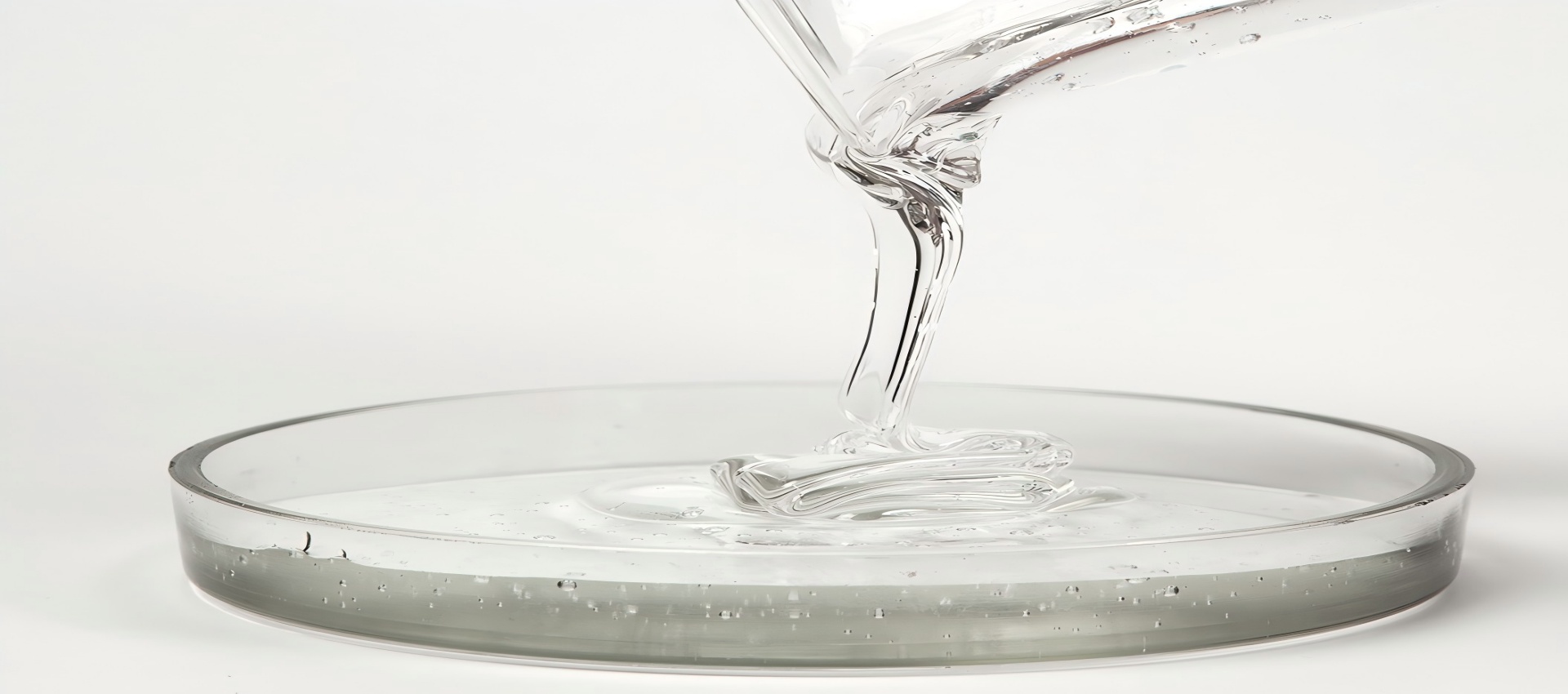
Heptamethyltrisiloxane, also named 1,1,1,3,5,5,5-heptamethyltrisiloxane, is an important organosilicon intermediate. Its chemical formula is C₇H₂₂O₂Si₃ with a molecular weight of 222.51. It is a colorless transparent liquid with a density of 0.819 g/mL (25°C) and a boiling point of 163.8°C (760 mmHg).
Synthetic routes for heptamethyltrisiloxane mainly i.
Introduction
In the continuous pursuit of sustainable and efficient agricultural practices, the crop protection industry is increasingly turning to advanced chemical adjuvants to enhance the performance of pesticidal formulations. Among these, heptamethyltrisiloxane and its derivatives have emerged as particularly valuable components, especially in th.
Heptamethyltrisiloxane: Decoding the Factors That Make It Exceptionally Stable
In the realm of organosilicon compounds, few substances command as much attention for their structural resilience as heptamethyltrisiloxane. This organosilicon molecule—comprising a backbone of alternating silicon and oxygen atoms (Si-O-Si) with methyl (-CH₃) groups capping e.