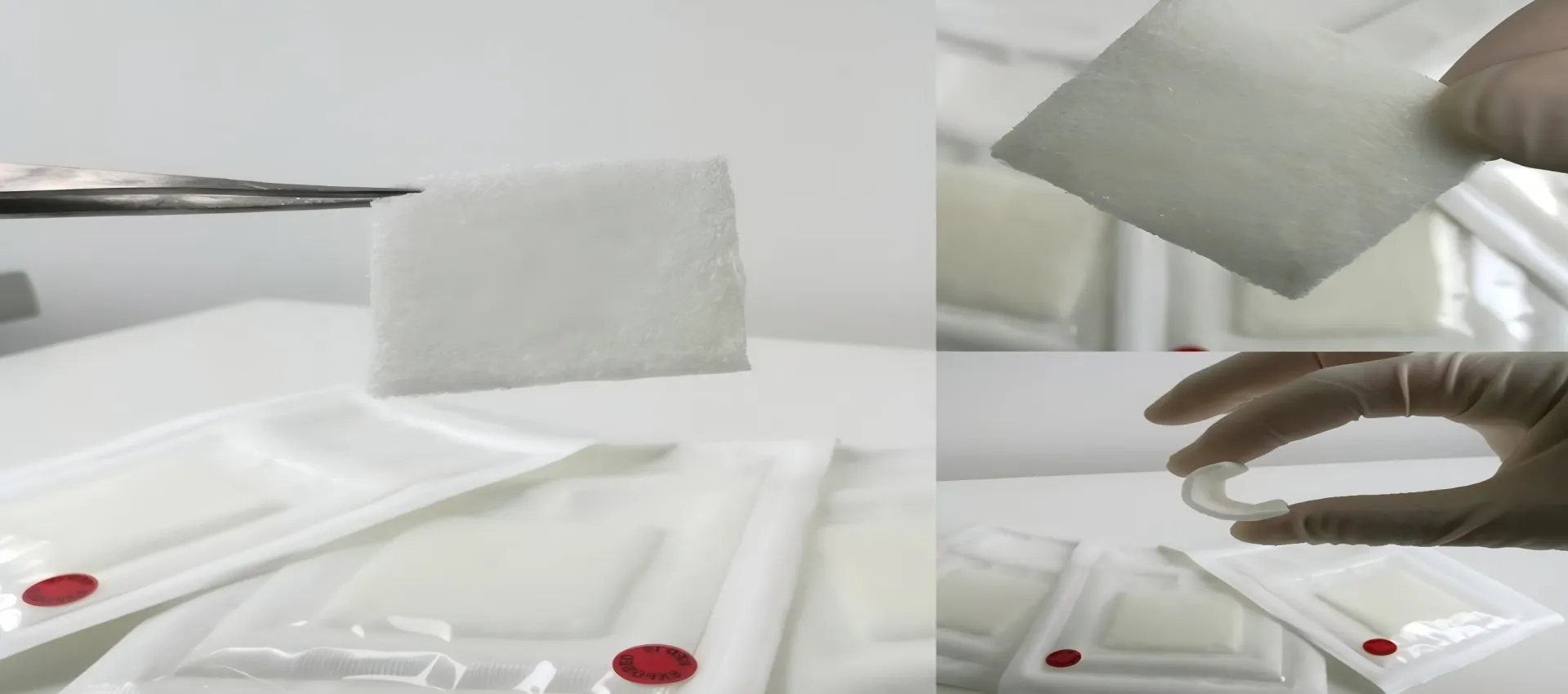
heptamethyltrisiloxane factory&supplier
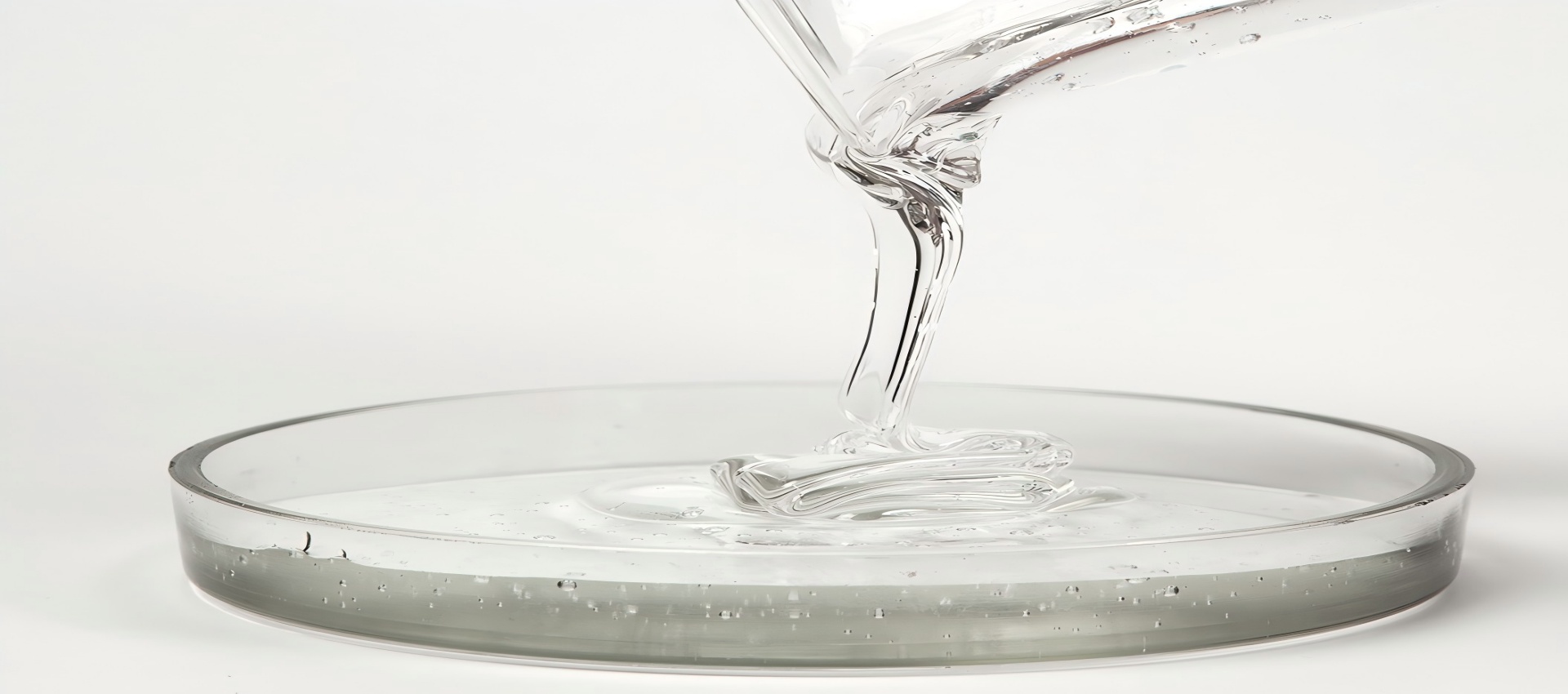
Heptamethyltrisiloxane
Everything you need to know about our products and company
Heptamethyltrisiloxane (CAS: 1873-88-7) is a mainstream low-hydrogen siloxane intermediate in the silicone industry. Widely adopted as agrochemical super-spreaders, paint leveling agents, defoamers, fire-fighting foam additives, photovoltaic and daily chemical auxiliaries, it is favored for its ultra-low surface tension. However, its hazard profile is often underestimated by procurement, warehousing, production and foreign trade teams. According to GHS classification and SDS safety data, this substance is a highly flammable liquid with irritant hazards to skin, eyes and respiratory tract. It is assigned UN 1993, Class 3 dangerous goods, Packing Group II, subject to strict regulatory requirements for domestic hazardous chemical storage, sea freight, air freight and export compliance.
It is a common misconception that this product is a stable silicone oil with low hazards. Conventional long-chain dimethyl silicone oil has a high flash point and is non-flammable; by contrast, heptamethyltrisiloxane features a short molecular chain and stronger volatility. Its closed-cup flash point is only 22°C. It releases flammable vapors at ambient temperature. The vapor is heavier than air and can spread along the ground, flashing back to ignition sources at a distance. High temperature, static electricity and sparks can easily trigger combustion and explosion, constituting its primary hazard.
GHS Classification: Flammable Liquid Category 2, Hazard Statement H225: Highly flammable liquid and vapour. It has a boiling point of approximately 142°C and notable vapor pressure at 25°C. It is insoluble in water and miscible with most organic solvents. Static charge readily accumulates during filling, pumping and mixing operations. Without earthing or inert gas protection, static sparks can ignite the vapors. In case of fire, direct water jet is prohibited. Dry powder and carbon dioxide are recommended for fire suppression. Heated containers in fire scenarios may rupture and require isolation and evacuation.
Note: This substance is not highly acutely toxic, yet it is an irritant hazardous chemical. Exposure risks mainly arise from unprotected spraying, open mixing and poorly ventilated workshop conditions.
The largest application of heptamethyltrisiloxane is pesticide super-spreaders. Many formulation plants conduct open mixing in compounding workshops with inadequate ventilation and poor static control, forming high-risk sites. Other high-risk processes include coating production, fire-fighting foam additive preparation and silicone synthesis. Many downstream users focus only on surface-active performance while ignoring SDS review and SOP training, leaving hidden safety risks.
Safety engineers remind that short-chain siloxanes must not be treated the same as conventional dimethyl silicone oil. Enterprises shall post MSDS documents, conduct on-the-job safety training, install combustible gas monitors and emergency eyewash & shower stations. Full and truthful declaration is mandatory for foreign trade documents, booking and dangerous goods declaration. Concealing the hazard and shipping as general cargo may lead to cargo detention, fines and legal liabilities. Formulators may evaluate high-flash modified derivatives to reduce storage and transportation risks.
Heptamethyltrisiloxane is a high-value silicone auxiliary monomer. Its core hazards are flammability and irritation. The risks are manageable under proper control. Full-process hazardous chemical management must be enforced, including classified storage, static elimination, closed operation, personal protection and compliant shipment declaration.
Our most popular products loved by customers worldwide
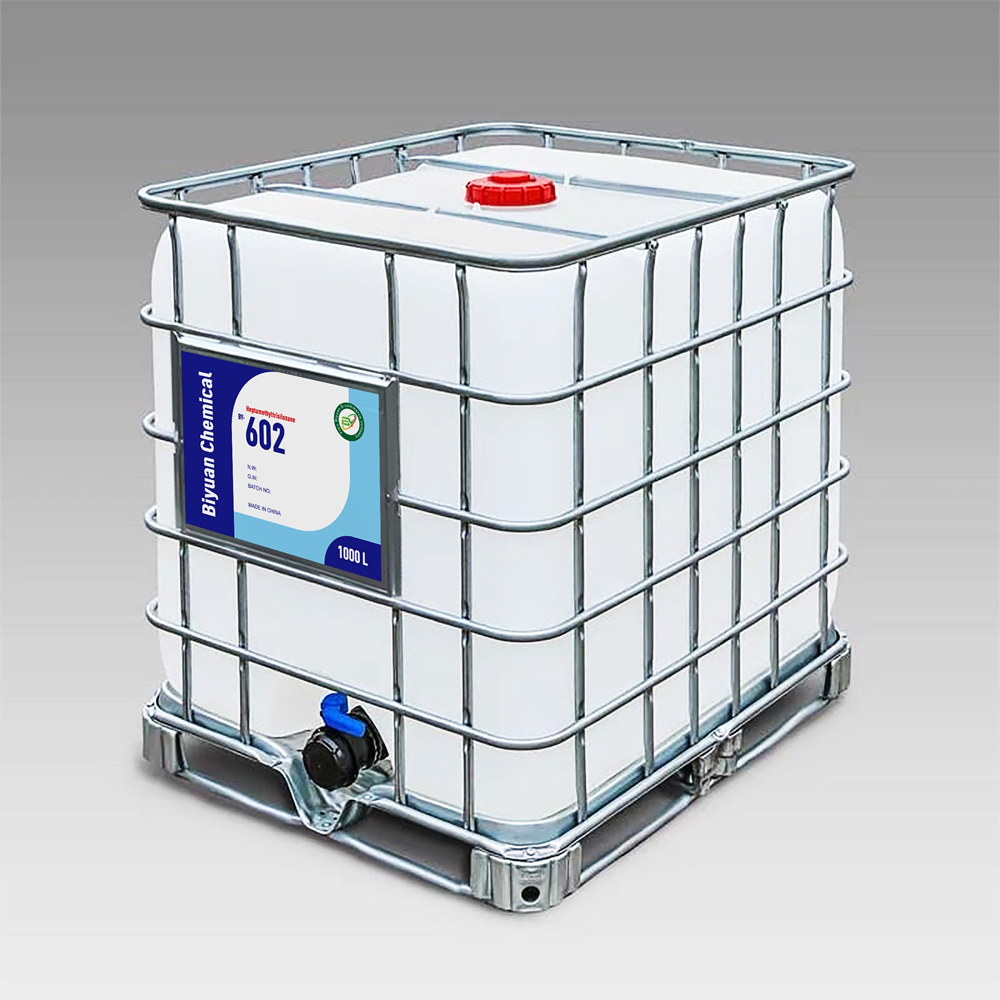
Heptamethyltrisiloxane is emerging as a transformative functional material in the pharmaceutical industry. This volatile silicone derivative combines low viscosity with high permeability, offering unique solutions for advanced drug delivery systems and medical device technologies. Certified USP Class VI and compliant with ISO 10993-5 standards, heptamet.
Heptamethyltrisiloxane is transforming the personal care industry through its unique volatile characteristics and exceptional spreading properties. This lightweight silicone fluid delivers instant sensory enhancement while providing functional benefits across various product categories. Heptamethyltrisiloxane meets rigorous safety standards including RE.
Heptamethyltrisiloxane is emerging as a powerful adjuvant in modern agriculture, leveraging its unique properties to enhance crop protection product performance. This organosilicone compound acts as a super-spreader, dramatically improving the efficacy of pesticides, herbicides, and fungicides through superior surface coverage and penetration. The mater.
Heptamethyltrisiloxane is gaining recognition as a versatile performance additive in various industrial sectors due to its unique combination of low viscosity, high volatility, and exceptional surface activity. This organosilicone compound serves as an efficient process aid and functional modifier across multiple applications. Heptamethyltrisiloxane off.