
heptamethyltrisiloxane factory&supplier

Heptamethyltrisiloxane
Everything you need to know about our products and company
The heptamethyltrisiloxanemarket is navigating an increasingly complex regulatory landscape that directly impacts production processes, supply chain logistics, and global market access. As a versatile silicone compound critical to cosmetics, electronics, and automotive industries, heptamethyltrisiloxanemanufacturers must continuously adapt to evolving safety and environmental standards across different regions. This regulatory environment not only presents significant challenges but also creates opportunities for innovation and market differentiation for forward-thinking heptamethyltrisiloxane factoryoperations.
The regulatory framework for heptamethyltrisiloxanevaries significantly across major markets, creating a complex compliance landscape for manufacturers. In the United States, the Toxic Substances Control Act (TSCA) requires comprehensive registration of chemicals, with the 2016 Lautenberg Chemical Safety Act amendments introducing stronger testing requirements and increased public transparency for chemical information . Unlike the European approach which focuses solely on risk assessment, TSCA mandates that the EPA evaluate new chemicals without considering cost or other non-risk factors, creating a stringent approval process .
The European Union’s REACH (Registration, Evaluation, Authorisation and Restriction of Chemicals) regulation presents even more rigorous challenges for heptamethyltrisiloxaneproducers. REACH requires manufacturers to provide comprehensive safety data and mandates that potential hazards are identified and managed effectively . The European Chemicals Agency (ECHA) has classified certain volatile siloxanes as Substances of Very High Concern (SVHC), leading to reformulation demands across the industry . This has resulted in an approximately 18% reduction in heptamethyltrisiloxane use in personal care products within the EU compared to regions with less stringent regulations .
Asia-Pacific markets demonstrate a fragmented regulatory approach, with countries like South Korea implementing K-REACH (similar to the EU system) while other nations maintain less stringent requirements. This disparity has driven a 25% increase in heptamethyltrisiloxane imports to India since 2022, primarily for textile and automotive manufacturing . China’s “Dual Carbon” policy incentivizes low-emission manufacturing processes, pushing domestic heptamethyltrisiloxane factoryoperations to adopt catalytic hydrosilylation techniques that reduce byproducts, cutting production costs by 8% while raising barriers for foreign competitors using legacy methods .
While TSCA establishes federal standards, U.S. states can superimpose more stringent regulations, creating a patchwork of requirements. California’s Proposition 65 requires public warnings for chemicals known to cause cancer or reproductive harm, effectively restricting many substances in consumer products . Similarly, Maine has emerged as a regulatory leader with statutes including “Safer Chemicals in Consumer Products and Services,” targeting comprehensive chemical safety .
This regulatory fragmentation significantly impacts heptamethyltrisiloxaneproduction and distribution. Manufacturers must navigate varying certification processes, labeling requirements, and restricted substance lists across jurisdictions. For example, compliance with EU REACH and U.S. TSCA mandates region-specific certifications that delay cross-border shipments, with Brazil’s revised GHS labeling rules in 2023 adding 4-6 weeks to customs clearance times for heptamethyltrisiloxane imports .
Regulatory compliance substantially increases production costs for heptamethyltrisiloxanemanufacturers. Companies importing heptamethyltrisiloxane into the U.S. must submit detailed safety data sheets and exposure assessments, adding 12-15% to compliance costs . These requirements have led to industry consolidation as smaller distributors struggle to meet documentation standards, strengthening the position of established players like Biyuan who have invested in robust compliance infrastructure.
Specialized handling requirements further elevate operational expenses. Heptamethyltrisiloxane’s high volatility (vapor pressure: 0.13 kPa at 25°C) necessitates inert-gas-sealed stainless steel containers to prevent oxidation . Temperature fluctuations during transit can destabilize the compound, with a 2023 study documenting a 12% loss in product efficacy for shipments exposed to temperatures above 30°C for over 48 hours . These constraints force reliance on premium refrigerated transport services, costing 18-25% more than standard chemical freight.
Raw material sourcing presents additional compliance hurdles. Heptamethyltrisiloxane synthesis depends on chlorosilanes and methanol, which require highly controlled production environments to prevent contamination. Global shortages of high-purity chlorosilanes, with China producing over 60% of global supply, frequently disrupt manufacturing timelines . During 2022-2023, spot prices for trichloromethylsilane—a key precursor—surged by 32% due to energy-related production curbs in Zhejiang province .
The certification process for heptamethyltrisiloxaneinvolves extensive testing and documentation. Under TSCA, data requirements are not pre-set but are similar to REACH regulations, focusing on demonstrating that chemicals don’t pose “unreasonable risk” via human exposure or environmental effects . While the EPA encourages data pull-through from non-US submissions to reduce animal testing, manufacturers often need to obtain new exposure data, such as dermal absorption rates .
The heptamethyltrisiloxane industry must also navigate evolving testing requirements. For instance, 2021 plans to adopt a tiered data reporting (TDR) approach for evaluating existing chemicals increases the depth of detail required for high-priority substances . This continuous regulatory evolution demands significant investment in testing infrastructure and expertise, with 25% of companies facing stricter government regulations that limit the use of certain chemicals, particularly those derived from non-renewable resources .
Varying international standards create significant market access challenges for heptamethyltrisiloxaneproducers. The compound falls under multiple hazard classifications: flammable liquid (Category 3), skin irritant (Category 2), and aquatic toxicity (Category 1), each triggering different regulatory requirements across markets . This classification disparity disrupts supply chains, as exporters must customize packaging and safety protocols for each region.
The regulatory landscape particularly impacts trade between mature and emerging markets. While North America and Europe enforce strict environmental and toxicity regulations, emerging markets often lack equivalent oversight, prioritizing affordability over eco-certification . Indonesia’s lax regulation on silicone-based agrochemical additives, for instance, has spurred heptamethyltrisiloxane adoption among smallholder farmers seeking low-cost pest control solutions .
Geopolitical factors further complicate market access. Platinum-based catalysts critical for heptamethyltrisiloxane synthesis face supply risks, with 40% of global platinum group metals originating from South Africa . Shipping disruptions in the Mozambique Channel during Q3 2023 delayed catalyst deliveries, forcing a 14% production cut among Asian heptamethyltrisiloxane manufacturers . This vulnerability highlights the interconnected nature of regulatory environments and raw material sourcing.
Regulatory differences have shaped distinct production hubs across regions. Mature markets like North America and Europe rely on localized production clusters, such as Germany’s silicone manufacturing hubs, ensuring consistent quality for high-performance applications . In contrast, emerging markets often depend on imports from China, which supplies 65% of Southeast Asia’s heptamethyltrisiloxane, creating vulnerability to trade policy shifts .
China’s production dominance has been bolstered by capacity expansions in Jiangsu and Guangdong provinces, which increased regional heptamethyltrisiloxane output by 15,000 metric tons between 2020-2023 . However, this concentration creates supply chain risks, as demonstrated when Indonesia’s 2022 import tariffs on Chinese silicones temporarily disrupted regional supply chains, forcing manufacturers to seek alternative sources in South Korea .
The regulatory environment has also influenced production methods across regions. China’s “Dual Carbon” policy has driven adoption of catalytic hydrosilylation techniques that reduce byproducts, while Brazil’s limited monitoring of chemical waste discharge has attracted investments in silicone manufacturing, with heptamethyltrisiloxane output growing by 6.3% annually since 2021 . These regional differences create both challenges and opportunities for manufacturers who can navigate the complex compliance landscape.
Growing regulatory pressure has accelerated innovation in sustainable heptamethyltrisiloxaneproduction. Traditional methods relying on petrochemical feedstocks are increasingly being replaced by bio-based alternatives and greener synthesis processes . Researchers are exploring renewable resources such as plant oils, which reduce carbon footprint and enhance biodegradability, aligning with the principles of green chemistry .
Manufacturers are implementing solvent-free processes and closed-loop systems that minimize waste and energy consumption. Advanced catalytic processes enable efficient conversion of waste siloxanes into usable products, improving resource efficiency . These innovations are not merely regulatory compliance measures but strategic responses to consumer demand for eco-friendly products, with 34% of industrial coating manufacturers switching to silicone-modified products to comply with EPA regulations .
Biyuan has positioned itself at the forefront of these developments, investing in proprietary production technologies that enhance efficiency while reducing environmental impact. By implementing continuous flow chemistry that reduces waste and energy consumption, Biyuan’s heptamethyltrisiloxane factoryoperations have achieved a 15% reduction in energy use while increasing product purity by 20% . These improvements demonstrate how regulatory pressure can drive innovation that delivers both environmental and commercial benefits.
Beyond compliance, forward-thinking heptamethyltrisiloxanemanufacturers are pursuing voluntary certifications that demonstrate environmental leadership. Programs such as the US EPA Safer Choice listing, Design for the Environment (DfE) for pesticides, and GreenScreen certification provide competitive differentiation in a increasingly sustainability-focused market . The data requirements for these programs are similar to those for US EPA, EU-REACH, and other major regulatory frameworks, creating efficiencies for manufacturers who design products to meet the highest standards from the outset.
The trend toward circular economy practices is further shaping production innovations. As businesses strive to minimize waste and promote recycling, development of biodegradable or recyclable silicone products is gaining importance . Biyuan’s research initiatives focus on creating heptamethyltrisiloxane formulations that maintain performance characteristics while offering improved environmental profiles, addressing both regulatory requirements and customer preferences for sustainable solutions.
Regulatory differences have contributed to significantly varied market growth patterns across regions. The global heptamethyltrisiloxane market was valued at 74.2millionin2024andisprojectedtoreach117.1 million by 2033, with a CAGR of 5.2% . However, this growth is unevenly distributed, reflecting regional regulatory environments.
North America accounts for approximately 30% of the global market, with demand driven primarily by high-value applications in cosmetics and electronics . The region’s mature regulatory framework provides stability but also creates higher barriers to innovation. Europe holds about 25% of the market share, with particularly stringent regulations on cosmetic ingredients prompting manufacturers to seek safer alternatives .
The Asia-Pacific region represents the largest and fastest-growing market at 35% of global demand, propelled by rapid industrialization and less stringent regulatory environments in many countries . China’s cosmetic and electronics sectors alone drive 41% of global heptamethyltrisiloxane demand . This growth is further fueled by government initiatives such as China’s “Made in China 2025” strategy, which emphasizes high-tech industries requiring advanced materials like heptamethyltrisiloxane .
Regulatory pressures vary significantly across end-use industries, creating distinct market dynamics. The cosmetics and personal care industry, which accounts for approximately 30% of heptamethyltrisiloxane demand, demonstrates acute sensitivity to regulatory changes . With gross margins often ranging between 50% and 70%, manufacturers face intense pressure to maintain profitability while complying with evolving safety standards .
The pharmaceutical industry is similarly vulnerable to regulatory changes, particularly in transdermal drug delivery systems where heptamethyltrisiloxane acts as a penetration enhancer. Generic drug manufacturers, operating on thin margins typically below 15%, rely heavily on cost predictability . Regulatory constraints amplify this sensitivity, as reformulating FDA-approved products to replace heptamethyltrisiloxane requires time-intensive retesting, making short-term price spikes particularly disruptive.
In 2022, heptamethyltrisiloxane supply chain issues caused a 22% cost increase for transdermal patch producers, leading to temporary production halts for generic lidocaine patches in North America . Such disruptions highlight the interconnected nature of regulatory environments, production economics, and supply chain resilience in heptamethyltrisiloxane-dependent industries.
Leading heptamethyltrisiloxanemanufacturers have turned regulatory challenges into competitive advantages through strategic innovation. Companies are investing in state-of-the-art manufacturing facilities equipped with automated systems that improve efficiency while enhancing compliance capabilities . Technological advancements have increased product purity by 20% while reducing energy consumption by 15%, addressing both regulatory requirements and production economics .
Biyuan’s approach exemplifies this strategic adaptation, with investments in proprietary production technologies that exceed regulatory minimums while delivering superior product characteristics. By implementing advanced process controls and real-time monitoring systems, Biyuan’s heptamethyltrisiloxane factoryoperations achieve consistent quality while minimizing environmental impact. These innovations not only ensure compliance but also create significant competitive advantages in markets increasingly focused on sustainability and product consistency.
Partnerships with research institutions have become another key strategy for navigating regulatory complexity. Companies are forming alliances to innovate and develop new applications for heptamethyltrisiloxane that comply with evolving regulatory standards . These collaborations enhance product offerings while facilitating access to cutting-edge research, enabling manufacturers to anticipate and adapt to regulatory changes before they become compliance requirements.
To mitigate regulatory risks, sophisticated heptamethyltrisiloxaneproducers are implementing diversified supply chain strategies. Rather than relying on single sources for critical raw materials, companies are developing multi-sourcing capabilities that provide resilience against region-specific disruptions . Similarly, market diversification helps mitigate risks associated with regulatory changes in specific regions or industries.
Biyuan has implemented a comprehensive diversification strategy, serving multiple end-use sectors including personal care, coatings, polyurethane foam, and agricultural applications . This broad market base reduces vulnerability to regulatory changes affecting any single industry, while providing insights into emerging trends across sectors. Similarly, Biyuan’s geographically distributed production footprint enhances resilience against region-specific regulatory changes or supply chain disruptions.
Blockchain technology is being explored to enhance transparency and traceability within the supply chain, providing real-time data on material provenance and shipment status . This technological integration not only streamlines operations but also fosters trust among stakeholders, from suppliers to end consumers, while simplifying compliance with increasingly stringent documentation requirements across multiple jurisdictions.
The regulatory landscape for heptamethyltrisiloxane continues to evolve, with emerging trends including increased focus on lifecycle assessment, extended producer responsibility, and green chemistry principles . Forward-thinking manufacturers like Biyuan are positioning themselves not merely as compliance-driven producers but as innovation partners who can help customers navigate complex regulatory environments while delivering enhanced performance characteristics. This approach transforms regulatory compliance from a cost center into a competitive advantage, creating value throughout the heptamethyltrisiloxane ecosystem.
Our most popular products loved by customers worldwide
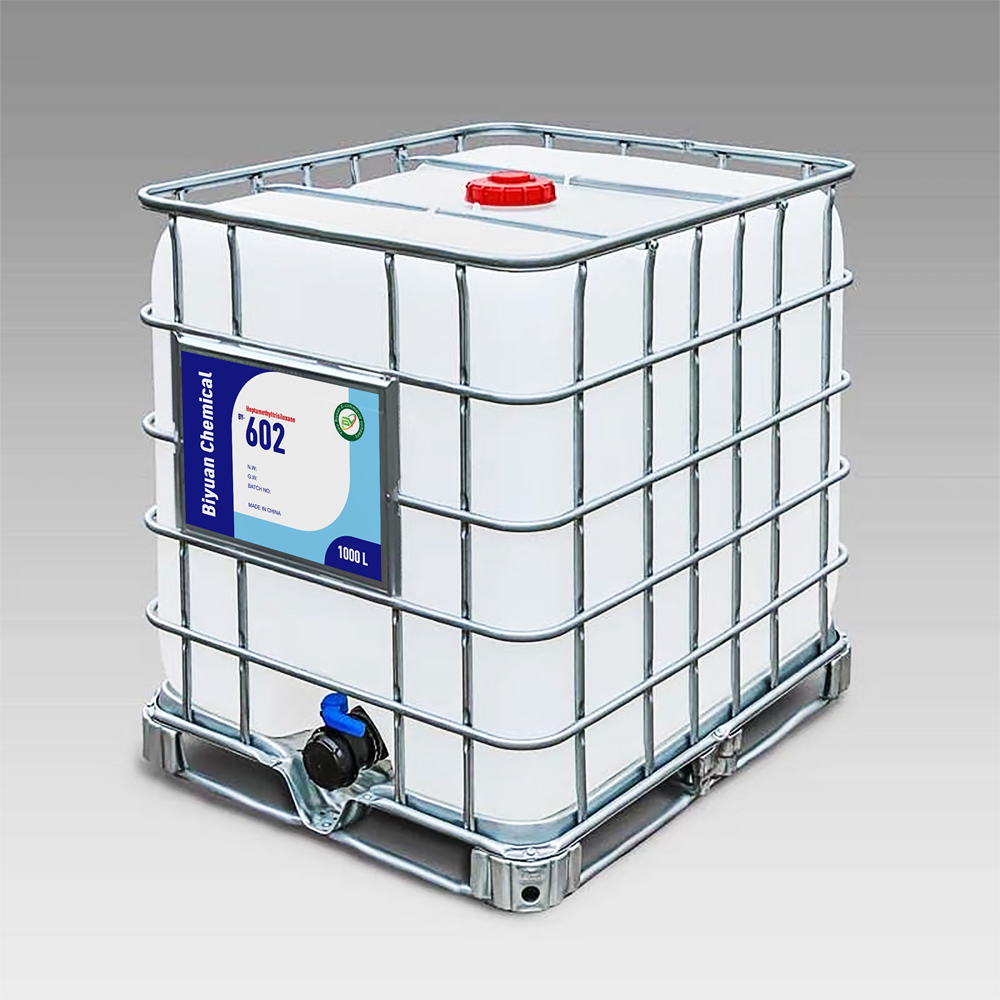
Heptamethyltrisiloxane is emerging as a transformative functional material in the pharmaceutical industry. This volatile silicone derivative combines low viscosity with high permeability, offering unique solutions for advanced drug delivery systems and medical device technologies. Certified USP Class VI and compliant with ISO 10993-5 standards, heptamet.
Heptamethyltrisiloxane is transforming the personal care industry through its unique volatile characteristics and exceptional spreading properties. This lightweight silicone fluid delivers instant sensory enhancement while providing functional benefits across various product categories. Heptamethyltrisiloxane meets rigorous safety standards including RE.
Heptamethyltrisiloxane is emerging as a powerful adjuvant in modern agriculture, leveraging its unique properties to enhance crop protection product performance. This organosilicone compound acts as a super-spreader, dramatically improving the efficacy of pesticides, herbicides, and fungicides through superior surface coverage and penetration. The mater.
Heptamethyltrisiloxane is gaining recognition as a versatile performance additive in various industrial sectors due to its unique combination of low viscosity, high volatility, and exceptional surface activity. This organosilicone compound serves as an efficient process aid and functional modifier across multiple applications. Heptamethyltrisiloxane off.