heptamethyltrisiloxane factory&supplier

Heptamethyltrisiloxane
Everything you need to know about our products and company
Within the specialty silicone intermediate segment, heptamethyltrisiloxane (CAS: 1873-88-7), with highly reactive Si-H bonds along its molecular chain, serves as a key starting monomer for manufacturing polyether-modified trisiloxanes, volatile cosmetic silicones and wetting/spreading additives. Since 2026, three converging driving forces have lifted its market demand: EU SCS regulatory constraints forcing formulators of cosmetic aerosols to shift toward low-GWP silicone alternatives, stricter requirements for low-volatile-residue additives in new-energy vehicle adhesives and thermal interface materials, and accelerated substitution of imported silicones by domestic premium cosmetic brands that boosts local sourcing of upstream monomers. It has emerged as a high-certainty growth grade among niche silicone raw materials.
The first growth driver originates from cosmetic aerosol formulation shifts triggered by EU SCS regulations. The EU keeps tightening controls on high-GWP cyclic siloxanes D4/D5 in cosmetic sprays and aerosols. Traditional cyclic siloxanes are increasingly restricted due to environmental hazards and inhalation exposure concerns, prompting many cosmetic formulators to evaluate alternative routes. Short-chain silicone derivatives derived from heptamethyltrisiloxane feature low GWP, low cyclic content, pleasant skin feel and excellent spreadability. They are suitable for hairsprays, antiperspirant aerosols, sunscreen sprays and other formulations, balancing sensory performance, volatility and environmental compliance. Cosmetic manufacturers exporting to Europe are rapidly switching raw material systems, steadily lifting orders for heptamethyltrisiloxane and making it a critical material for compliance transition in the overseas cosmetic supply chain.
The second source of incremental demand comes from the new-energy vehicle sector, where qualification thresholds for low-volatility, low-residue additives in automotive adhesives and thermal interface materials keep rising. Power battery packs, electric control units and on-board sensors are highly sensitive to small-molecule bleed-out and fogging contamination. Highly volatile additives may cause sensor fogging, interfacial delamination and long-term aging failure. Modified silicone wetting, leveling and coupling agents synthesized from heptamethyltrisiloxane have controllable molecular weight and low volatile content. In polyurethane structural adhesives, silicone thermal gels, thermal pads and underfill compounds, they improve powder wetting and filler dispersion while mitigating risks of cyclic silicone bleed-out, meeting mandatory automotive-grade specifications for low fogging and low migration. As domestic NEV production expands and on-board electronic encapsulation solutions advance, demand for low-residue silicone additives continues to rise and transmits upstream to monomer procurement.
The third driving force is the rise of domestic premium beauty brands. Local substitution of imported silicones drives localized sourcing of upstream monomers. Smooth, volatile silicones used in high-end skincare, color cosmetics and hair care products have long relied on overseas suppliers. In recent years, leading domestic beauty brands have ramped up in-house formulation development to build self-sufficient raw material supply chains. As an intermediate for short-chain volatile silicones and modified cosmetic silicones, heptamethyltrisiloxane yields cosmetic silicones via hydrosilylation that deliver a light, silky texture, non-comedogenic properties and breathable films. These fit foundations, sunscreens, hair serums and body care products. With stable supply of high-purity monomers from domestic producers, beauty brands are reducing purchases of imported silicones and switching to local suppliers. This expands domestic orders for the upstream monomer and pushes manufacturers to upgrade controls over purity, color and impurities to satisfy cosmetic safety assessment requirements.
On the supply side, domestic synthesis technology for heptamethyltrisiloxane continues to mature, and high-purity rectification processes are being optimized. Capacity for 99%+ high-purity grades is gradually released, breaking the long-standing supply barrier held by overseas suppliers for high-end cosmetic and electronic-grade monomers. The market is clearly segmented: general industrial grades are mainly used in agrochemical adjuvants and coating leveling agents, while high-purity low-cyclic grades target personal care and new-energy electronics. Leading suppliers provide supporting compliance documents including English SDS, COA, SVHC statements and cosmetic safety dossiers for European export and cross-border beauty clients.
Opportunities come with inherent industry challenges. This monomer has a relatively low flash point, requiring strict safety protocols during storage, transportation and repackaging. Synthesis and purification are technically demanding; minor fluctuations in purity, cyclic impurities and color can directly impair cosmetic sensory properties and fail automotive fogging tests. In addition, downstream formulation requirements vary widely — cosmetic, new-energy and agrochemical applications call for different modification routes. Standard bulk supply alone cannot satisfy customer needs, raising the bar for customized development and technical support.
Clear long-term industry trends center on compliance, low extractables and localization, which will keep lifting the market value of heptamethyltrisiloxane. Going forward, substitution demand for cosmetic aerosols serving the EU market will continue to grow; demand for low-volatility additives for NEV thermal management and bonding encapsulation will maintain strong growth. Coupled with domestic beauty brands’ push for raw material independence, the long-term market space for high-purity upstream monomers opens up. Manufacturers with stable high-purity synthesis capabilities, deep formulation support and full-chain compliance delivery will capture more share in this niche track and drive China’s short-chain silicone intermediate industry toward refinement, high-end positioning and green compliance.
Our most popular products loved by customers worldwide
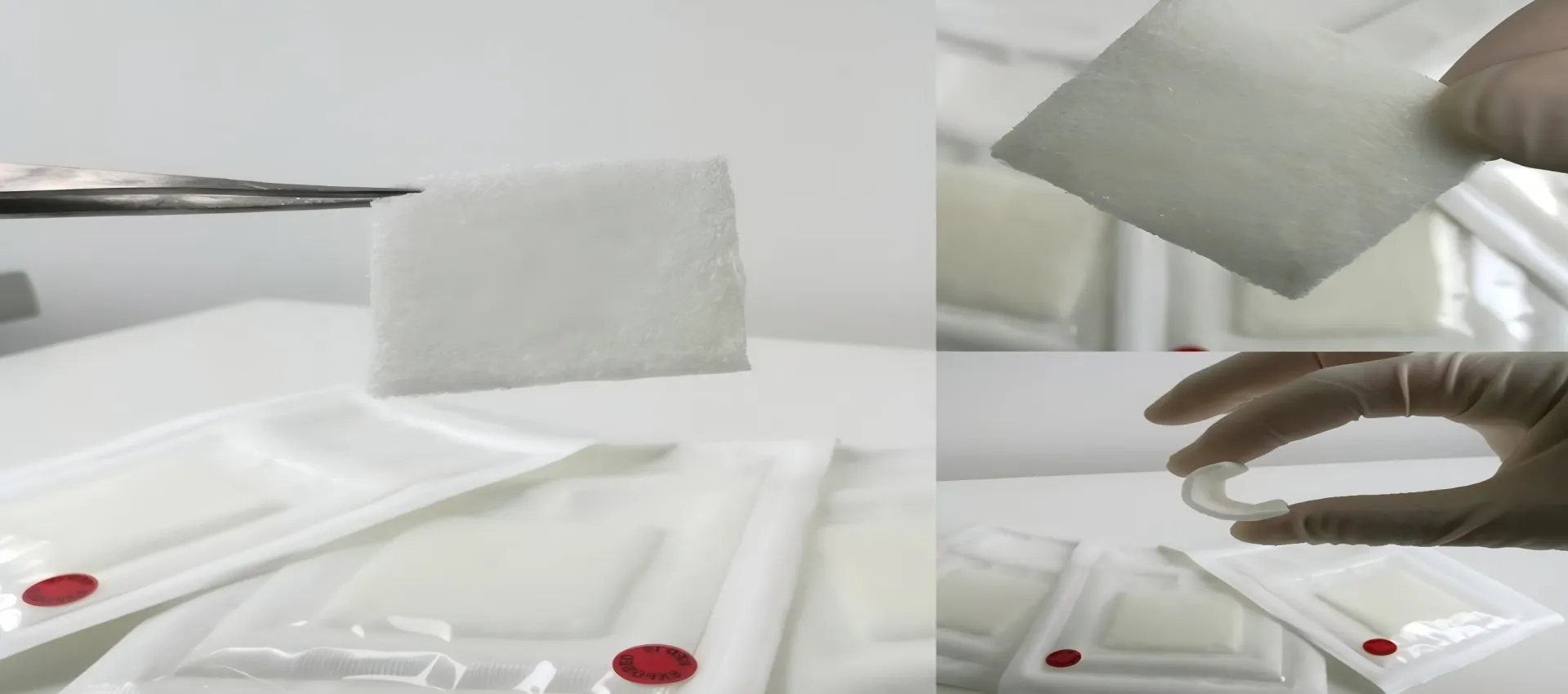
Heptamethyltrisiloxane is emerging as a transformative functional material in the pharmaceutical industry. This volatile silicone derivative combines low viscosity with high permeability, offering unique solutions for advanced drug delivery systems and medical device technologies. Certified USP Class VI and compliant with ISO 10993-5 standards, heptamet.
Heptamethyltrisiloxane is transforming the personal care industry through its unique volatile characteristics and exceptional spreading properties. This lightweight silicone fluid delivers instant sensory enhancement while providing functional benefits across various product categories. Heptamethyltrisiloxane meets rigorous safety standards including RE.
Heptamethyltrisiloxane is emerging as a powerful adjuvant in modern agriculture, leveraging its unique properties to enhance crop protection product performance. This organosilicone compound acts as a super-spreader, dramatically improving the efficacy of pesticides, herbicides, and fungicides through superior surface coverage and penetration. The mater.
Heptamethyltrisiloxane is gaining recognition as a versatile performance additive in various industrial sectors due to its unique combination of low viscosity, high volatility, and exceptional surface activity. This organosilicone compound serves as an efficient process aid and functional modifier across multiple applications. Heptamethyltrisiloxane off.