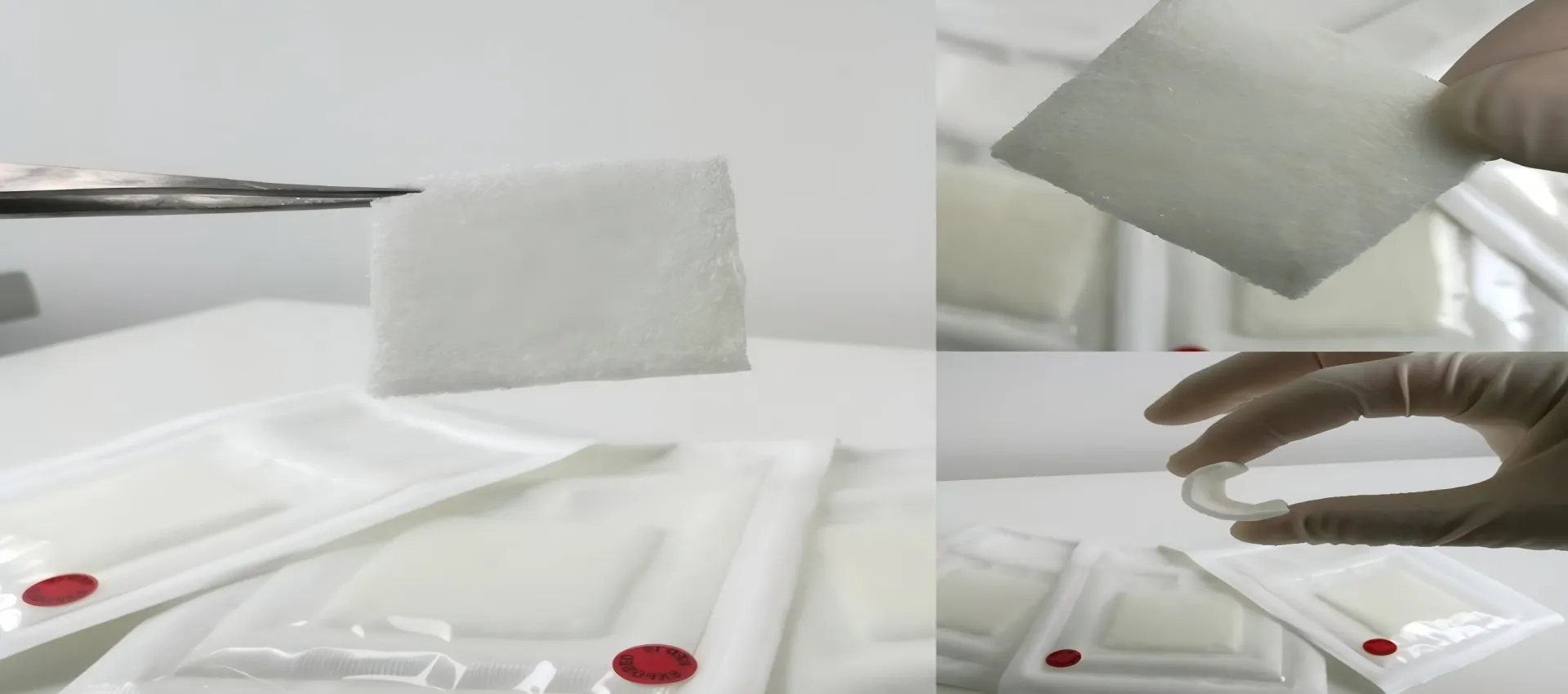
heptamethyltrisiloxane factory&supplier
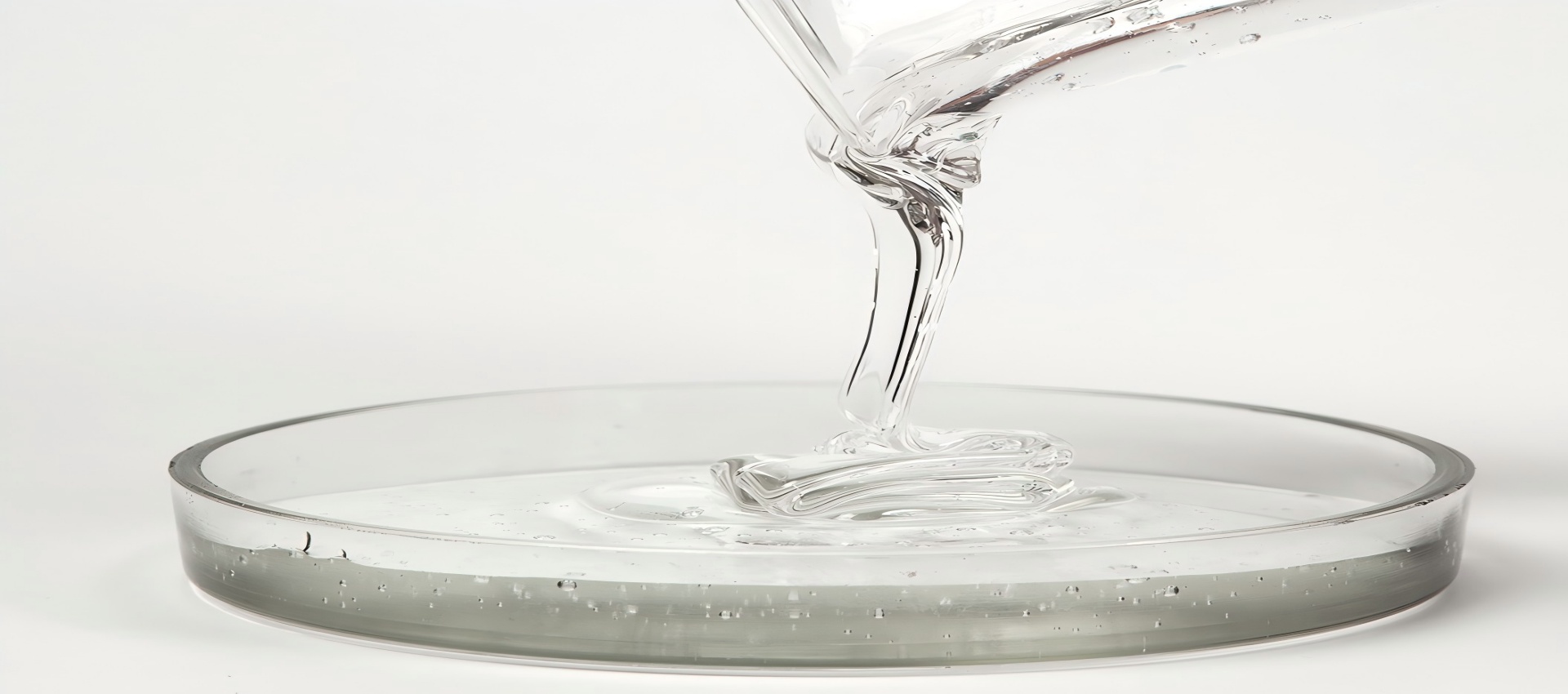
Heptamethyltrisiloxane
Everything you need to know about our products and company
The self-developed “Synthesis Process of 3H-Heptamethyltrisiloxane” has been granted a national invention patent (Grant Publication No. CN120484007B). Using a metal chloride catalyst, the process realizes controllable embedding of Si—H bonds and catalyst recycling through the “activation-silicon-increment” reaction between methylhydrogen dichlorosilane and hexamethyldisiloxane. It eliminates at source the acidic-wastewater treatment and hydrogen-release hazards of the traditional hydrolysis route, and recycles the by-product trimethylchlorosilane (TMSCl) into the synthesis of MQ silicone resin and other products, significantly reducing catalyst unit consumption and overall production cost.
3H-heptamethyltrisiloxane (MD^H M) is a key intermediate for silicone surfactants, pesticide spray adjuvants and Si—H modification materials. Traditional synthesis largely relies on the co-hydrolysis condensation route of chlorosilanes, which generates large volumes of acidic wastewater requiring neutralization, and certain stages carry a hydrogen-release risk. The catalyst is consumed once, and the Si—Cl bonds in the feedstock cannot be recycled within the system, resulting in high unit consumption and stacked environmental and safety costs.
The process charges methylhydrogen dichlorosilane, hexamethyldisiloxane and a metal chloride into a reactor, reacts under controlled temperature, and separates to obtain the product. The core innovation lies in using a metal chloride catalyst to drive the “activation-silicon-increment” reaction for controllable embedding of Si—H bonds into the molecular structure. The catalyst can be reused after reaction, with no fresh catalyst charged each batch, directly lowering catalyst unit consumption. The system undergoes no hydrolysis, produces no acidic wastewater, and has no hydrogen-release stage — raising both the safety factor and continuous-operation efficiency.
During the reaction, the Si—Cl bond of methylhydrogen dichlorosilane transfers to generate trimethylchlorosilane (TMSCl). Instead of being treated as waste, this by-product can be reused as a feedstock for hexamethyldisiloxane, MQ silicone resin and other silicone products, enabling “multi-use of one material” for Si—Cl bonds in the silicone industry. A material closed loop of feedstock → main product → by-product → downstream product is formed, diluting overall production cost.
With the triple optimization of “catalyst recycling + by-product reuse + no acidic water, no hydrogen,” this patent addresses the long-standing conflict between safety, environmental protection and cost in fine siloxane synthesis, providing a replicable route for scaled, green production of 3H-heptamethyltrisiloxane. [Company Name] states it will advance the process from laboratory result to mass production, serving downstream customers in pesticide adjuvants, surfactants and hydrosilylation modification.
Our most popular products loved by customers worldwide
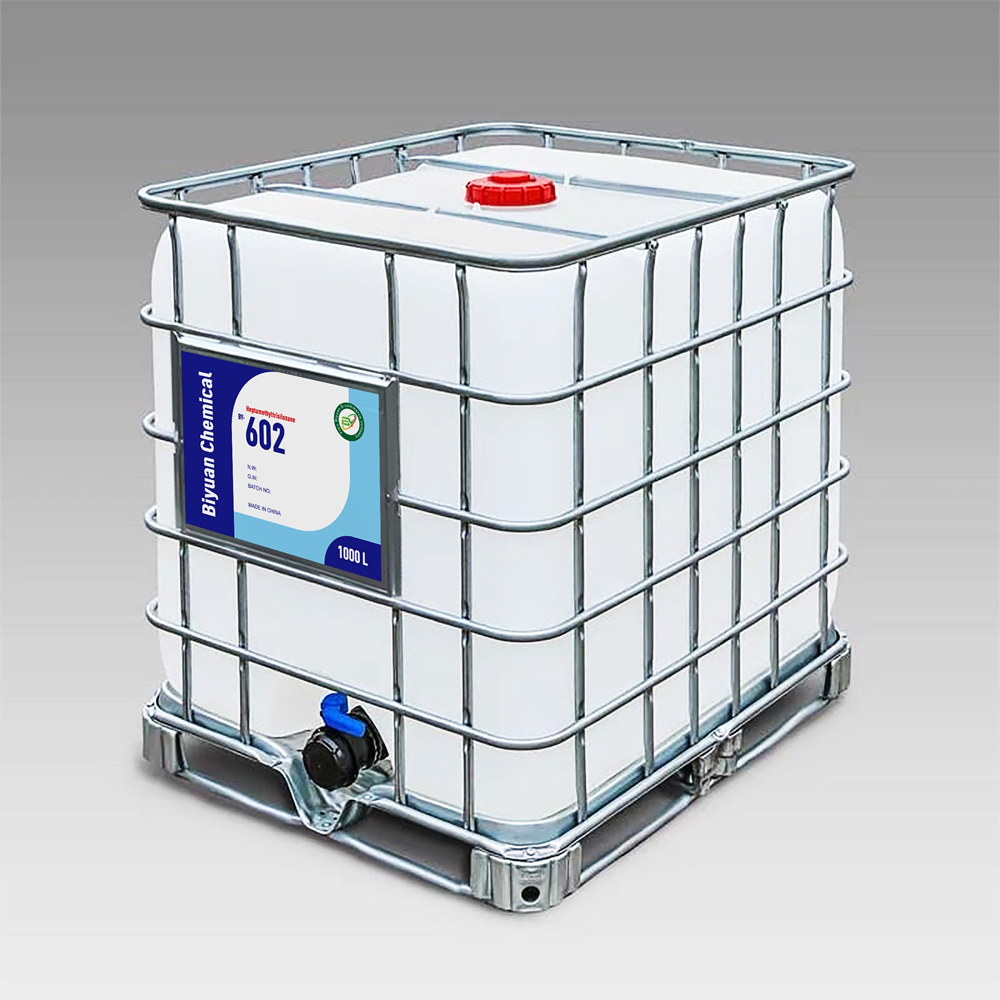
Heptamethyltrisiloxane is emerging as a transformative functional material in the pharmaceutical industry. This volatile silicone derivative combines low viscosity with high permeability, offering unique solutions for advanced drug delivery systems and medical device technologies. Certified USP Class VI and compliant with ISO 10993-5 standards, heptamet.
Heptamethyltrisiloxane is transforming the personal care industry through its unique volatile characteristics and exceptional spreading properties. This lightweight silicone fluid delivers instant sensory enhancement while providing functional benefits across various product categories. Heptamethyltrisiloxane meets rigorous safety standards including RE.
Heptamethyltrisiloxane is emerging as a powerful adjuvant in modern agriculture, leveraging its unique properties to enhance crop protection product performance. This organosilicone compound acts as a super-spreader, dramatically improving the efficacy of pesticides, herbicides, and fungicides through superior surface coverage and penetration. The mater.
Heptamethyltrisiloxane is gaining recognition as a versatile performance additive in various industrial sectors due to its unique combination of low viscosity, high volatility, and exceptional surface activity. This organosilicone compound serves as an efficient process aid and functional modifier across multiple applications. Heptamethyltrisiloxane off.