Understanding Minimum Order Quantities for Heptamethyltrisiloxane: A Comprehensive Guide for Industrial Buyers - heptamethyltrisiloxane factory&supplier
heptamethyltrisiloxane factory&supplier
heptamethyltrisiloxane factory&supplier
Heptamethyltrisiloxane
Information Center
Everything you need to know about our products and company
Heptamethyltrisiloxane (CAS 1873-88-7), a critical raw material in specialty chemical applications, is widely sought after for its role in synthesizing surfactants, pesticide additives, and coating formulations. For businesses sourcing this compound, understanding minimum order quantities (MOQs) is essential to optimize procurement strategies and ensure cost-effectiveness. This article explores MOQ dynamics, supplier considerations, and industry trends, with insights tailored to B2B buyers.
What Determines the Minimum Order Quantity?
The MOQ for heptamethyltrisiloxane varies significantly across suppliers and regions. Key factors include:
Purity Requirements: High-purity grades (≥99%) often require larger minimum orders due to specialized production processes. For instance, suppliers like Guangzhou Yuanda New Material Co., Ltd. offer 1kg batches at 99% purity, while bulk orders (10+ tons) may negotiate lower thresholds .
Supplier Capacity: Manufacturers with advanced facilities, such as Jiangxi Hito Chemical Co., Ltd., can accommodate bulk orders (e.g., 50,000 metric tons/year) but may enforce higher MOQs for smaller batches to offset setup costs .
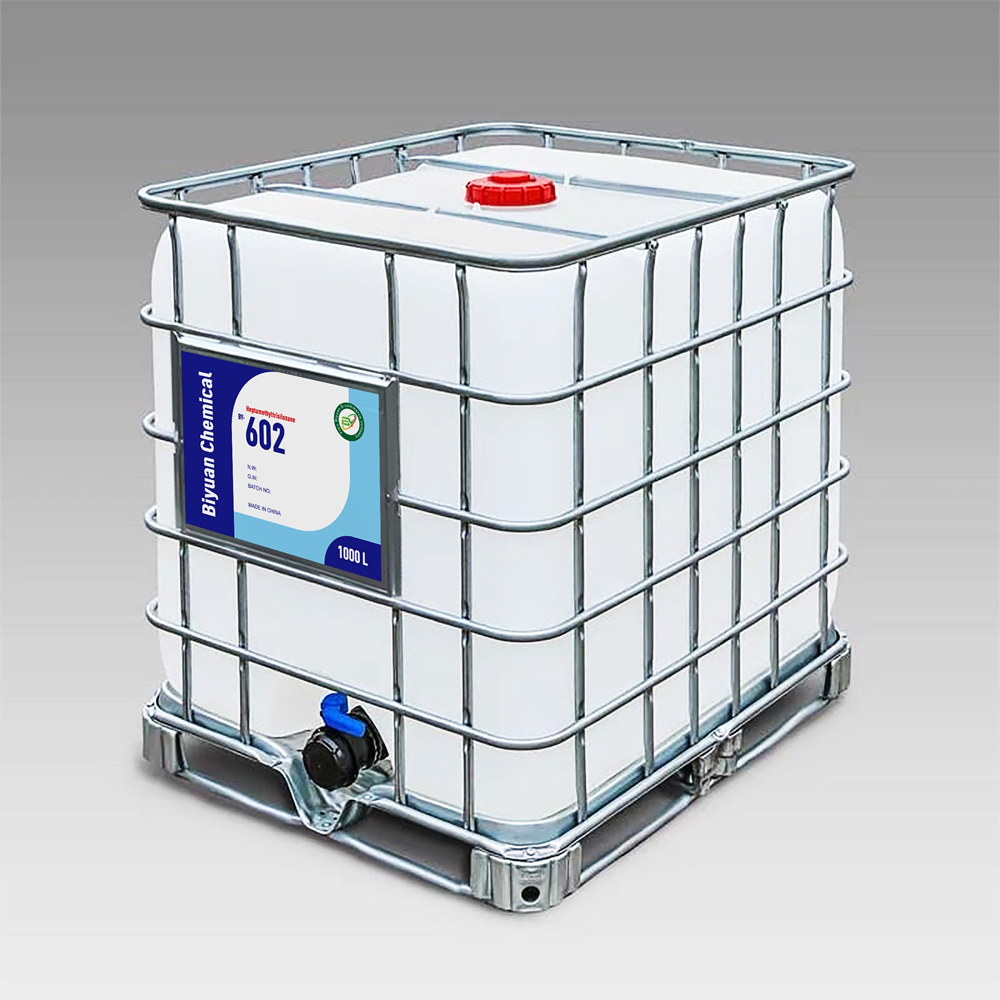
Packaging and Logistics: Standard packaging (200L drums or IBC containers) influences MOQs. Suppliers like Wuhan Kemi-Works Chemical Co., Ltd. ship 150kg drums, aligning MOQs with container efficiencies .
Typical MOQ Ranges in the Market
Small-Scale Buyers: Laboratories or R&D teams often source 1–5kg batches from distributors, though prices may rise due to fractional handling .
Mid- to Large-Scale Buyers: Industrial clients typically secure MOQs between 100kg and 1 ton, leveraging volume discounts. For example, Lonwin Chemical Group offers MOQs starting at 100kg at $100–150/ton .
Custom Orders: Specialized applications (e.g., pharmaceutical intermediates) may involve negotiated MOQs based on formulation complexity .
Strategies to Optimize MOQ Purchases
Supplier Negotiation: Leverage competitive pricing by comparing quotes from multiple vendors. Platforms like ChemicalBook aggregate global suppliers, enabling price benchmarking .
Bulk Purchasing: Partnering with manufacturers like Biyuan (a leading silicone chemical producer) allows bulk orders with flexible terms, reducing per-unit costs .
Inventory Management: Staggering orders to align with production cycles minimizes storage costs while maintaining supply continuity.
Key Applications Driving Demand
Heptamethyltrisiloxane’s versatility underpins its industrial relevance:
Agriculture: As a surfactant precursor in herbicide formulations, it enhances droplet spreading and crop protection efficacy .
Coatings: Modifies silicone fluids for improved water repellency and adhesion in industrial paints .
Pharmaceuticals: Acts as a silylation agent in drug synthesis, enabling stable intermediate production .
Why Partner with Biyuan?
Biyuan stands out as a trusted supplier for heptamethyltrisiloxane, offering:
Quality Assurance: Rigorous testing ensures compliance with USP, EP, and ISO standards, critical for pharmaceutical and food-grade applications.
Flexible Order Sizes: Accommodates both small R&D batches and large-scale industrial needs, with customizable packaging options.
Technical Support: Dedicated R&D teams assist in formulating solutions for specific use cases, such as optimizing surfactant stability in pesticide blends.
For businesses prioritizing reliability and scalability, Biyuan’s proven track record in delivering high-purity heptamethyltrisiloxane positions it as a strategic partner. Explore their product catalog to align your procurement strategy with long-term operational goals.
This guide synthesizes industry insights and supplier data to empower informed purchasing decisions. By addressing MOQ variables and emphasizing quality, the content targets procurement managers and technical teams seeking efficient sourcing solutions.
Leading Heptamethyltrisiloxane Manufacturers and Industry Insights
Market Overview and Key Players
The global heptamethyltrisiloxane market features several established manufacturers, particularly in China, which has emerged as a major production hub. Key players operating in the Global Heptamethyltrisiloxane Market include Milliken Chemical, Ningb.
Enhancing Pesticide Efficiency: The Role of Heptamethyltrisiloxane in Modern Agriculture
In the ever-evolving field of agricultural science, improving pesticide efficacy while minimizing environmental impact has become a critical priority. One compound gaining significant attention for its transformative potential is heptamethyltrisiloxane. This innov.
In the competitive landscape of specialty formulations, the ability to ensure rapid, uniform coverage and efficient active delivery—without compromising final product integrity—is a critical differentiator. For developers in agrochemicals, coatings, personal care, and industrial applications, the initial application phase dictates overall efficacy, efficie.
What Are the Key Methods for Synthesizing Heptamethyltrisiloxane?
Heptamethyltrisiloxane (MDHM), a critical intermediate in silicone chemistry, is widely recognized for its applications in surfactants, lubricants, and specialty polymers. Its synthesis involves multiple pathways, each optimized for efficiency, yield, and environmental considerations. B.
How to Respond to Heptamethyltrisiloxane Inhalation: A Step-by-Step Guide for Workplace Safety
Accidental inhalation of chemicals like heptamethyltrisiloxane (a volatile silicone compound) can pose serious health risks, including respiratory irritation, dizziness, or even acute toxicity. Knowing how to respond swiftly and effectively is critical for .
In the dynamic and innovation-driven agrochemical adjuvant industry, manufacturers are constantly seeking advanced raw materials that can enhance product performance, improve formulation efficiency, and meet evolving regulatory and sustainability demands. Silicone-based surfactants, particularly heptamethyltrisiloxane, have emerged as a critical component .
Recent Technological Advancements in Heptamethyltrisiloxane Production
The production of heptamethyltrisiloxane, a critical silicone intermediate, has evolved significantly in recent years, driven by demand for higher purity, sustainability, and cost efficiency. Industries ranging from cosmetics to electronics rely on this compound for its thermal stabi.
Heptamethyltrisiloxane (CAS 1873-88-7) is a widely used organosilicon compound in industries ranging from agrochemicals to coatings. One of its critical physical properties—the flash point—plays a pivotal role in ensuring safe handling, storage, and application. This article explores the technical aspects of its flash point, its implications for industria.
Unlocking Growth: Key Opportunities in the Heptamethyltrisiloxane Market
The heptamethyltrisiloxane market is experiencing significant transformation, driven by evolving industrial demands and technological advancements. This versatile silicone compound, known for its exceptional thermal stability, low surface tension, and excellent hydrophobic proper.
The regulatory status of chemical substances under the EU Biocidal Products Regulation (BPR) is critical for manufacturers, suppliers, and users of biocidal products. Heptamethyltrisiloxane (CAS 1873-88-7), a siloxane-based compound, is primarily known for its industrial applications, including use as a solvent, surfactant, or intermediate in silicone prod.
In the dynamic world of specialized chemical engineering, achieving rapid surface modification, efficient material delivery, and optimized process performance often hinges on strategic components that provide transient yet powerful functional effects. For formulators working with agricultural adjuvants, industrial coatings, personal care products, and high.
Understanding the Volatility of Heptamethyltrisiloxane: Key Properties and Applications
Heptamethyltrisiloxane (CAS 1873-88-7), a silicon-based compound with a unique molecular structure, has garnered significant attention in industrial and scientific communities. One of its most critical properties is its volatility, which plays a pivotal role in det.
In the realm of specialty chemical formulations, achieving rapid surface wetting, uniform distribution, and controlled volatility can dictate the success of agricultural solutions, coating systems, and personal care products. For formulators seeking to optimize application efficiency, enhance active ingredient delivery, and improve end-user experience, the.
Maximizing Efficiency: A Comprehensive Guide to Heptamethyltrisiloxane Performance
In the specialized world of silicone-based compounds, heptamethyltrisiloxaneholds a unique position due to its versatile applications across various industries. As a key ingredient in personal care products, coatings, textiles, and industrial processes, optimizing its eff.
How Supply and Demand Dynamics Shape Heptamethyltrisiloxane Prices
Introduction to Heptamethyltrisiloxane Market Dynamics
Heptamethyltrisiloxane, a specialized silicone intermediate with the CAS number 1873-88-7, operates within a complex global chemical market where supply and demand fundamentals primarily dictate price movements. This versatile c.
Exploring the Chemical Composition of Heptamethyltrisiloxane
Heptamethyltrisiloxane is a specialized organosilicon compound widely recognized for its unique structural properties and versatility in industrial applications. At its core, this compound’s chemical formula—C₇H₂₂O₂Si₃—reflects a precisely balanced arrangement of methyl groups, oxygen atoms, .
Heptamethyltrisiloxane (CAS 1873-88-7), a critical raw material in specialty chemical applications, is widely sought after for its role in synthesizing surfactants, pesticide additives, and coating formulations. For businesses sourcing this compound, understanding minimum order quantities (MOQs) is essential to optimize procurement strategies and ensure co.
Understanding the Boiling Point of Heptamethyltrisiloxane
Heptamethyltrisiloxane, a silicone-based compound with the CAS number 1873-88-7, is widely recognized for its unique chemical properties and versatility in industrial applications. One of its most critical physical characteristics is its boiling point, which plays a pivotal role in determining i.
Understanding the Environmental Impact of Heptamethyltrisiloxane: Risks, Regulations, and Sustainable Solutions
Heptamethyltrisiloxane (HMTrS), a cyclic volatile methylsiloxane (cVMS), has emerged as a focal point in environmental discussions due to its widespread industrial use and potential ecological risks. While its applications in cosmetics, perso.
Is Heptamethyltrisiloxane Toxic to Humans? A Comprehensive Analysis
Heptamethyltrisiloxane, a silicon-based compound widely used in industrial and cosmetic applications, has sparked concerns regarding its potential toxicity to humans. While its chemical structure offers unique functional benefits, understanding its safety profile is critical for profes.
According to the China National Intellectual Property Administration (CNIPA), a Chinese company has obtained a patent titled A Rectification Purification Method for Heptamethyltrisiloxane. Its grant publication number is CN121735999B, with the filing date in December 2025. Targeting long-standing industry pain points of insufficient product purity, difficu.
Heptamethyltrisiloxane: The Game-Changing Additive Transforming Industrial Coatings Performance
Introduction: The Power of a Compact Molecule
In the competitive world of industrial coatings, achieving superior performance while maintaining cost-effectiveness is the ultimate goal. Heptamethyltrisiloxane (CAS: 1873-88-7), a remarkable organosilicon com.
Heptamethyltrisiloxane: The Game-Changer in Eco-Friendly Coatings Technology
Unlocking the Power of Silicone Chemistry for Sustainable Coatings
In the rapidly evolving world of coatings technology, heptamethyltrisiloxane (CAS: 1873-88-7) has emerged as a revolutionary intermediate that bridges the gap between traditional silicone chemistry and next-g.
Introduction
The continuous evolution of agricultural technology has brought heptamethyltrisiloxane and its derivatives to the forefront of innovative crop protection solutions. These advanced organosilicon compounds are revolutionizing how agrochemicals are delivered to plants, offering significant improvements in efficiency, effectiveness, and envir.
Heptamethyltrisiloxane: Enhancing Agrochemical Performance through Advanced Silicone Surfactants
Introduction
In modern agriculture, efficiency and sustainability have become paramount concerns for growers worldwide. The challenge lies in maximizing pesticide effectiveness while minimizing environmental impact and resource consumption. Among the .
Advanced Heptamethyltrisiloxane Formulation Strategies for Superior Coating Performance
Market Overview and Growth Trajectory
The global heptamethyltrisiloxane market demonstrates robust growth momentum, with projections indicating a compound annual growth rate (CAGR) of 6.63% from 2024 to 2032, reaching an estimated market value of USD 1.36 billion .
Optimizing the Purity of Heptamethyltrisiloxane: A Comprehensive Guide
Heptamethyltrisiloxane (CAS 1873-88-7), a critical intermediate in silicone chemistry, is widely used in pharmaceuticals, agrochemicals, and personal care products due to its unique surfactant properties. Achieving high purity in its synthesis and post-processing stages is essential.
Heptamethyltrisiloxane, also named 1,1,1,3,5,5,5-heptamethyltrisiloxane, is an important organosilicon intermediate. Its chemical formula is C₇H₂₂O₂Si₃ with a molecular weight of 222.51. It is a colorless transparent liquid with a density of 0.819 g/mL (25°C) and a boiling point of 163.8°C (760 mmHg).
Synthetic routes for heptamethyltrisiloxane mainly i.
Quality Assurance Strategies for Heptamethyltrisiloxane: Critical Control Points
Heptamethyltrisiloxane (CAS 1873-88-7), a high-purity organosilicon intermediate, plays a pivotal role in applications ranging from agricultural surfactants to cosmetic formulations. Ensuring its quality demands rigorous control across every stage of production and handlin.
Heptamethyltrisiloxane: The Silicone Powerhouse Revolutionizing Skin Texture
In the evolving world of skincare chemistry, one ingredient has demonstrated remarkable capabilities for transforming skin texture: Heptamethyltrisiloxane. This specialized silicone compound has become an invaluable asset in cosmetic formulations, offering unique properties tha.
Revolutionizing Heptamethyltrisiloxane Production: A Leap Forward in Industrial Efficiency
The synthesis of heptamethyltrisiloxane (HMCTS), a critical intermediate in silicone chemistry, has recently witnessed groundbreaking advancements. These innovations not only address long-standing challenges in production efficiency but also open new avenues fo.
The Multifaceted Efficacy of Heptamethyltrisiloxane in Modern Skin Care
In the ever-evolving world of cosmetic science, certain ingredients stand out for their unique versatility and efficacy. Heptamethyltrisiloxane, a specialized organosilicon compound, has emerged as a powerful functional ingredient that enhances product performance across numerous sk.
Heptamethyltrisiloxane: Decoding the Factors That Make It Exceptionally Stable
In the realm of organosilicon compounds, few substances command as much attention for their structural resilience as heptamethyltrisiloxane. This organosilicon molecule—comprising a backbone of alternating silicon and oxygen atoms (Si-O-Si) with methyl (-CH₃) groups capping e.
Heptamethyltrisiloxane: A Key Ingredient for Advanced Pesticide Formulations
Introduction
The ongoing pursuit of effective and sustainable agricultural solutions has driven innovation in pesticide formulation technology. Among the most significant developments is the application of specialized organosilicon compounds that enhance the performance an.
Unveiling the Unique Chemical Structure of Heptamethyltrisiloxane: Why It Matters in Modern Materials
In the realm of organosilicon chemistry, few compounds bridge functionality and versatility quite like heptamethyltrisiloxane. For chemists, material scientists, and formulators, understanding its distinct molecular architecture is key to unlocking its .
1. Basic Information
Chemical Name: Heptamethyltrisiloxane, also known as bis(trisiloxy)methylsilane, 1,1,1,3,5,5,5-heptamethyltrisiloxane CAS No.: 1873-88-7 Chemical Formula: C₇H₂₂O₂Si₃ Molecular Weight: 222.51
2. Hydrogen Content
The total hydrogen content of heptamethyltrisiloxane is 30.9%. Among this, the hydrogen content from Si-H bonds is re.
The Rising Star of Beauty Formulations: Heptamethyltrisiloxane’s Market Potential
Introduction
In the rapidly evolving beauty industry, a specialized silicone compound is quietly revolutionizing product formulations worldwide. Heptamethyltrisiloxane, a volatile silicone fluid with unique properties, has emerged as a critical ingredient in high-.
What is Heptamethyltrisiloxane?
Heptamethyltrisiloxane (abbreviated as MDM) is a low-molecular-weight, highly volatile linear siloxane compound with the chemical formula \(\ce{C7H24O2Si3}\). It is a colorless and transparent liquid at ambient temperature, featuring excellent spreading, penetrating and fast-evaporating properties. Its molecular structure.
According to the China Association of Fluorine and Silicone Industry, domestic demand for heptamethyltrisiloxane in 2026 is forecast to reach 18,000–21,000 tons, representing an annual compound growth rate of approximately 6.5%. The growth drivers are mainly as follows: ① EU SCS regulations are driving the replacement of siloxanes with low GWP values in da.
Heptamethyltrisiloxane: A Transformative Additive in Advanced Coatings Formulations
Introduction: The Unseen Performer in Modern Coatings
In the highly competitive landscape of industrial coatings, achieving superior performance while meeting stringent environmental standards has become a critical challenge for manufacturers. One compound that has d.
Heptamethyltrisiloxane is emerging as a transformative functional material in the pharmaceutical industry. This volatile silicone derivative combines low viscosity with high permeability, offering unique solutions for advanced drug delivery systems and medical device technologies.
Certified USP Class VI and compliant with ISO 10993-5 standards, heptamet.
Heptamethyltrisiloxane is transforming the personal care industry through its unique volatile characteristics and exceptional spreading properties. This lightweight silicone fluid delivers instant sensory enhancement while providing functional benefits across various product categories.
Heptamethyltrisiloxane meets rigorous safety standards including RE.
Heptamethyltrisiloxane is emerging as a powerful adjuvant in modern agriculture, leveraging its unique properties to enhance crop protection product performance. This organosilicone compound acts as a super-spreader, dramatically improving the efficacy of pesticides, herbicides, and fungicides through superior surface coverage and penetration.
The mater.
Heptamethyltrisiloxane is gaining recognition as a versatile performance additive in various industrial sectors due to its unique combination of low viscosity, high volatility, and exceptional surface activity. This organosilicone compound serves as an efficient process aid and functional modifier across multiple applications.
Heptamethyltrisiloxane off.
Contact Us
We're here to help with any questions or inquiries you may have
Contact Information
Address
No. 116, Jiangdong Street, Yiwu City, Jinhua City, Zhejiang Province,China